
Sudan
Since independence, the people of Sudan have endured the consequences of serialized conflicts, overlapping crises, and a persistent failure to hold political and military leaders accountable for serious violations against the civilian population. The current war in Sudan is the worst manifestation of this crisis: Over 11 million people have been displaced by fighting between the Sudanese Armed Forces (SAF), led by General Abdel Fattah al-Burhan, and the Rapid Support Forces (RSF), led by General Hamdan Dagalo (known as Hemedti). Large areas of the country are experiencing famine due to the use of starvation as a weapon of war, war crimes, and crimes against humanity. Genocide is once again being committed in som areas. Read More.
Our Work
PAEMA’s team has been working with communities in Sudan for more than 19 years. This long-term commitment to addressing the underlying causes of systemic persecution has allowed us to develop trusted relationships with civil society across the country and in the diaspora. When war broke out between SAF and RSF in April 2023, we immediately reached out to partners in Sudan to ask how we could be most helpful. Based on discussions with our Sudanese civil society partners, we are currently working on:
-
The Sudan News Monitor is a biweekly newsletter with the goal to share the most significant developments in the Sudan, for a wide audience of policymakers, NGO practitioners, human rights defenders and humanitarian workers, journalists, scholars, and anyone else who has an interest in better understanding the political, humanitarian, and economic dynamics at play in the Sudan. Learn more and subscribe: https://www.paema.ngo/sudan-news-monitor
-
PAEMA’s Youth Vision for Sudan program invites Sudanese youth to take ownership over their own stories by sharing their perspectives on the conflict in Sudan, the impact it has had on their families and communities, and their visions for Sudan’s future. Learn More.
-
PAEMA works to increase opportunities for Sudanese civil society to access local, regional, and international policy spaces. We supports local partners working on conflict response, justice, atrocity prevention, and peace planning. PAEMA works on mutual capacity-strengthening, facilitating dialogues with local civil society, advocating for greater inclusion in policymaking spaces, and sourcing the financial resources necessary for their engagement in crucial policy discussions.
-
We connect Sudanese civil society with international policymakers and support them in serving as the strongest experts on the situation within their communities. PAEMA provides the most up-to-date information to international policymakers to help inform their discussions and decisions. We develop and present atrocity prevention and conflict resolution strategies that target multilateral forums to support ongoing work on Sudan.
-
We produce regular publications aimed at public and private audiences on the evolving situation in Sudan. Our publicly available publications include our atrocity alerts which inform the world about the significant risks of atrocities in a given area. We also author and contribute to joint statements from the Sudanese, regional, and international advocacy communities.
Sign-Up For Sudan News Monitor.
Background on Sudan
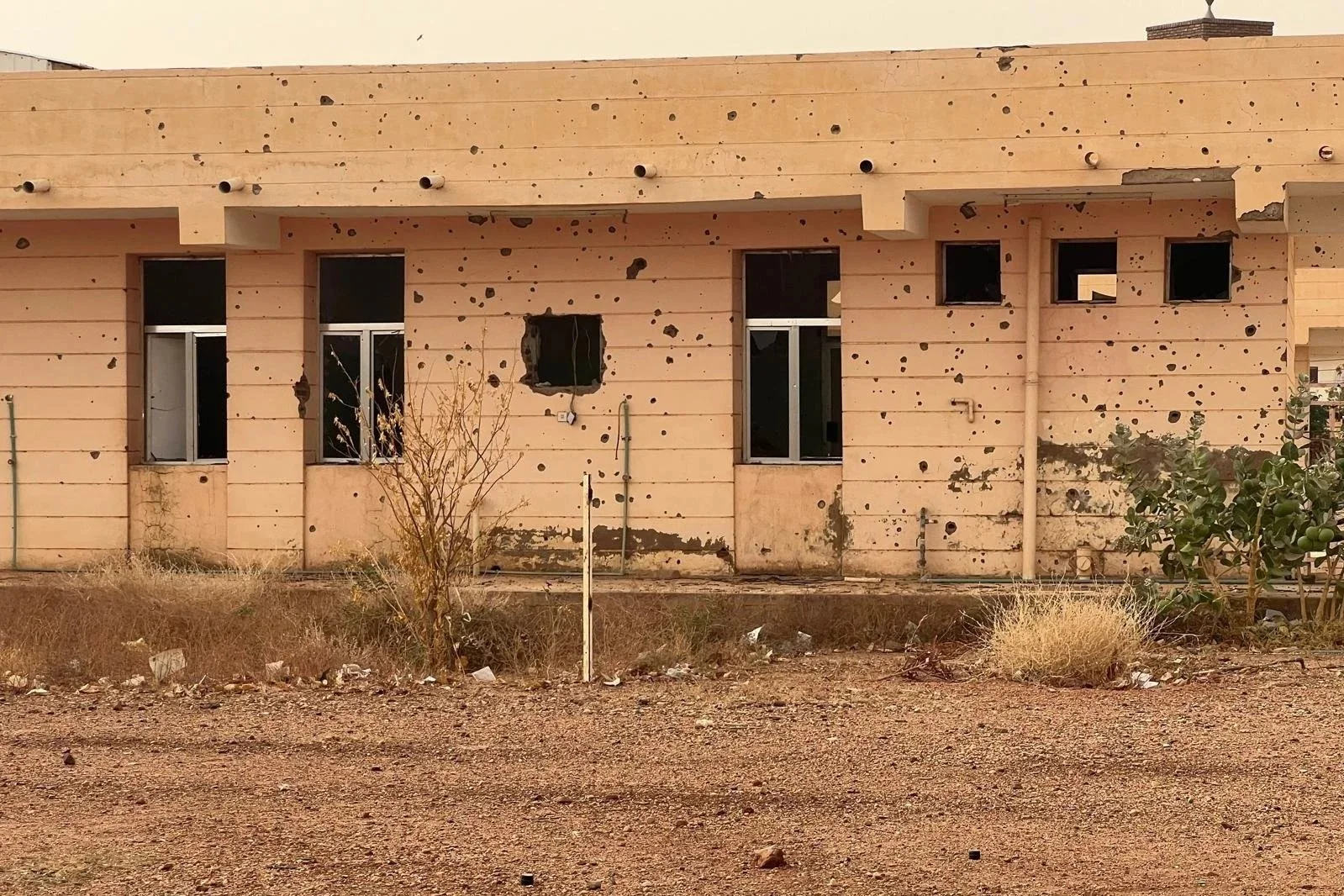
The current conflict has its roots in the failure to address past atrocities, hold perpetrators accountable, and implement reforms that would prevent these violations from recurring. Sudan made some steps towards transformative change following the ousting of President Omar al-Bashir from his 30-year dictatorship by peaceful Sudanese protesters. The Constitutional Charter agreed to by civilian and military actors established three years of joint military and civilian rule after which an elected civilian government would take power. During the transitional period, civilian leaders began working towards elections. However, the October 2021 coup derailed Sudan’s nascent democratic transition, halted transitional justice efforts, and prevented the implementation of security sector reforms that would have integrated the RSF into the Sudanese army and formalized civilian control.

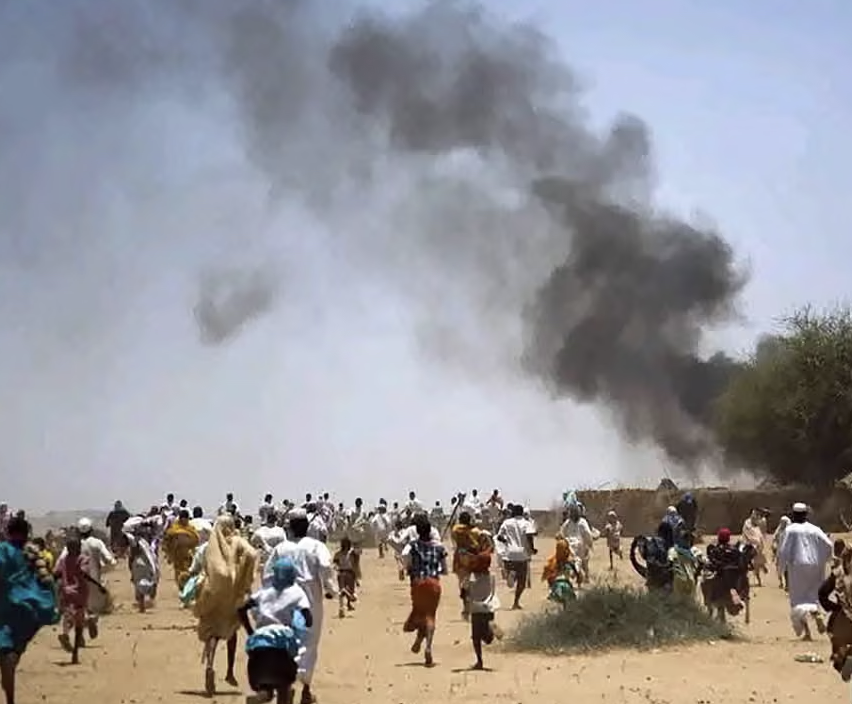
The international community failed to impose punitive measures against Hemedti, Burhan, or any of the other perpetrators of the 2021 coup, further emboldening the actors and their brutal repression of the civilian population. War broke out between the RSF and SAF on April 15, 2023, when their relationship of political expediency finally broke down. Since then, more than 150,000 people have been killed, over 11 million have been displaced, and more than 21 million are facing crisis levels of hunger.
This failure echoes the lack of accountability that has dominated international policy toward Sudan for decades. Indeed, the RSF was previously known as the Janjaweed, the ground force created by the Bashir regime that perpetrated the Darfur genocide in 2003. SAF has also perpetrated serious human rights violations for decades, including in Darfur. The UN Fact-Finding Mission on Sudan reported in June 2026 that RSF, SAF, and their respective allies were committing “arbitrary detention, torture and enforced disappearance to control the country’s embattled population, contributing to a catastrophic protection crisis for civilians”. Sudan is no stranger to such levels of barbarity, but this moment is unique as the entire country has been affected by the war and the legacies of wrongdoing from this war alone will be significant to address.